
In a landmark event of the Department of History, Strategic and International Studies (HSIS), Dennis Osadebay University, Asaba, on the 26th February, 2026, Professor Rasheed Oyewole Olaniyi, the Dean of the Faculty of Arts, University of Ibadan, Nigeria and a Socioeconomic Historian, delivered a Keynote Address on “National Development, Identity Crisis and Disruptive Technology.” The gathering, which attracted senior academics, policymakers, industry executives, and students, underscored the intersecting challenges that Nigeria and the wider sub‑Saharan region face as they navigate rapid digital transformation while confronting lingering post‑colonial identity dilemmas.
Professor Olaniyi started by framing the present moment within the arc of Nigeria’s post‑independence trajectory. “From the optimism of 1960 to the turbulence of the Civil War, and onward to the structural adjustment programmes of the 1980s, our nation has repeatedly re‑imagined what development means,” he said. He argued that today’s disruptive technologies—artificial intelligence, blockchain, and renewable energy systems—constitute a new epochal shift, one that can either deepen existing fractures or serve as a catalyst for inclusive growth.
In his address, he stressed that the terrain has shifted. Africa now confronts a different form of external encroachment, one that does not arrive with gunboats or colonial charters, but through platforms, algorithms, data infrastructures, and digital standards. This moment has increasingly been described as a new scramble: the Silicon Valley or GAFAM (Google, Apple, Facebook, Amazon, Microsoft) Scramble for Africa. Yet unlike the nineteenth century, the present era is marked by a crucial difference. We now possess the intellectual resources, technological tools, policy imagination, and historical consciousness to interrogate this process and, potentially, to redirect it. The challenge before us is whether we will deploy disruptive technologies to define and codify our own identities, cultures, and economies, or allow global digital corporations to do so on our behalf.
Professor Olaniyi observed that the digital age does not herald the end of national identity. Rather, it exposes the consequences of failing to inscribe identity into the systems that now organise social life. Admittedly, technology does not erase culture by default, but it amplifies whichever culture has been encoded into it. In this sense, the crisis confronting many societies today is that of authorship as opposed to connectivity.
In addition, he notes that nations seeking development in a globalised digital world are not merely to connect to cables, platforms, or markets but to define the terms of that connection. Artificial intelligence, blockchain, virtual reality, and digital platforms must not be treated as neutral imports or inevitable pathways. They are arenas of political choice, economic bargaining, and cultural authorship. To engage them passively is to inherit priorities designed elsewhere, and to engage them deliberately is to shape a future grounded in local realities, cultures, histories and aspirations.
Throughout his address, he argued that sovereignty in the digital age has migrated from land to data, from borders to platforms, from physical archives to algorithmic memory. We have seen how digital infrastructure structures power, how data extraction mirrors older colonial economies and patterns of dependency, how narratives are distorted through platform logics, and how culture becomes vulnerable to invisibility when it is not machine-readable.

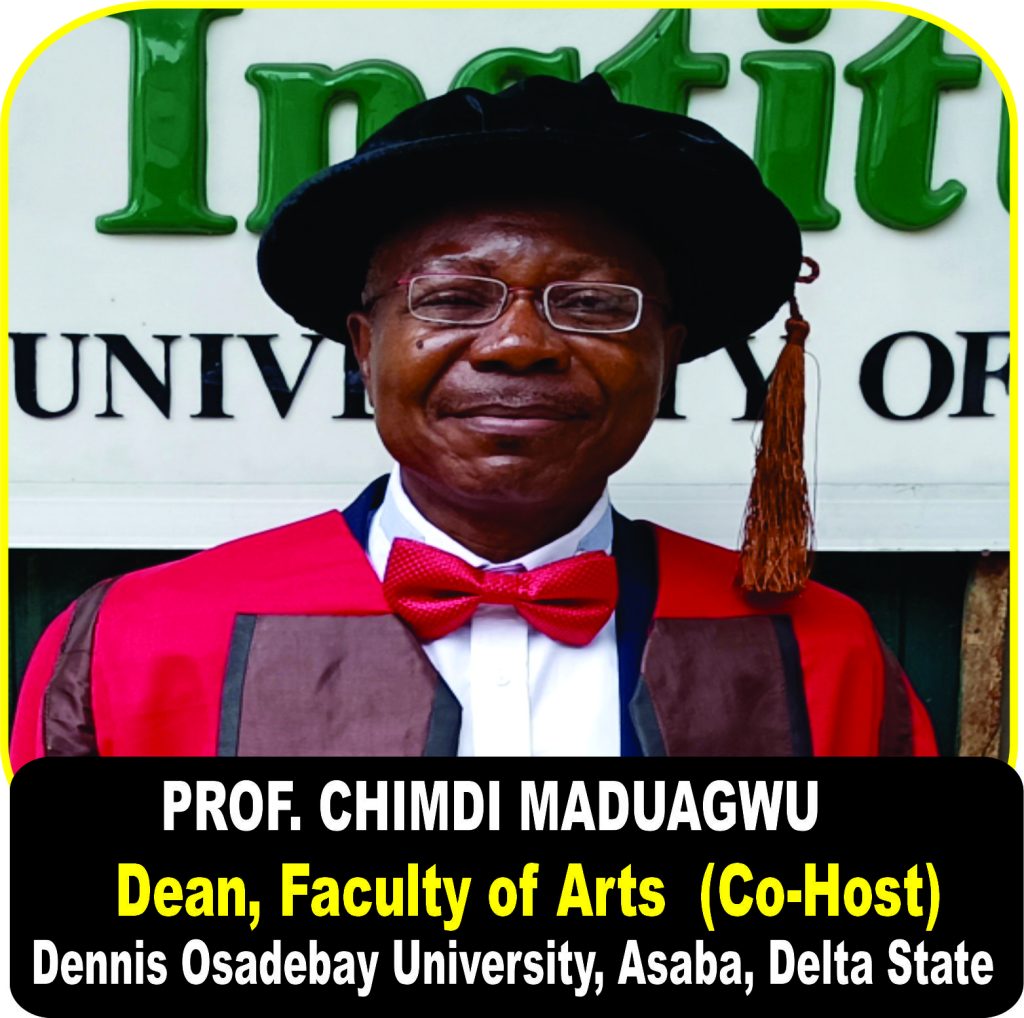

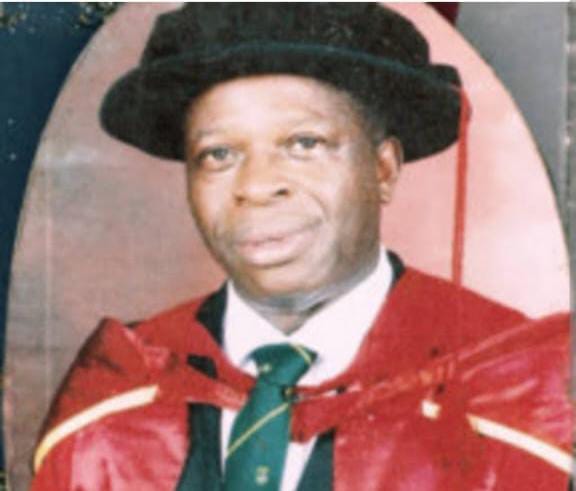
Prof. Daramola, Adeyemi (Plenary Session Chairman)


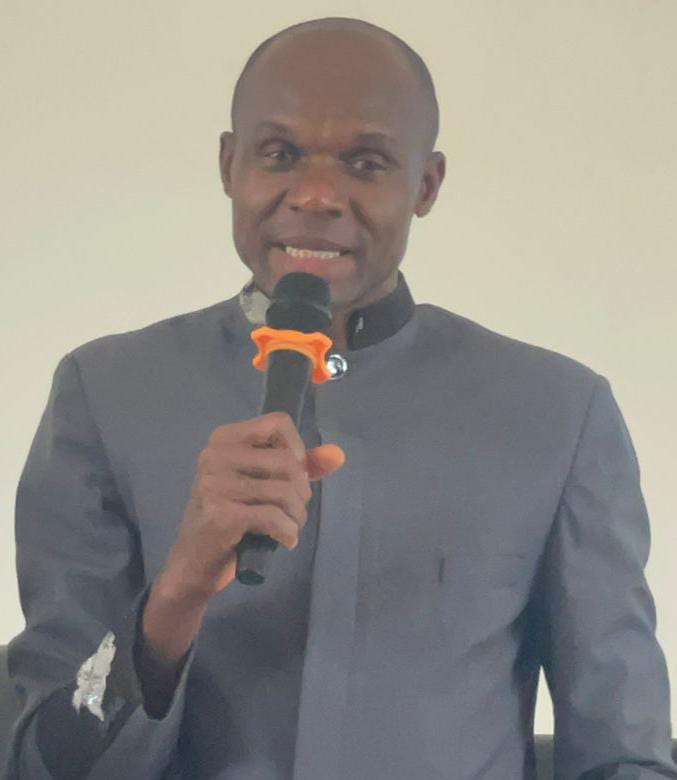
Gold Sunday Chukwuemeka , the Head of Department: History, Strategic and International Studies and the host of the International Conference, stressed that as countries strive to enhance their economic and social well-being, they often confront significant challenges regarding their national identity. According to him the theme of the conference resonates deeply in today’s globalized landscape where cultural exchanges, migration, and technological advancements shape our identities in unprecedented ways. The lineages of our past inform our present; thus, the history we share is not merely a backdrop but a vital guide in navigating our future.
In the process of migrating to the modern discourse, we must recognize that disruptions in technology serve as both a boon and a challenge in our journey towards growth. Technologies such as artificial intelligence, biotechnology, and digital communication have revolutionized economies and societies. Yet, they also compel us to reevaluate our values and identities. For instance, the rise of AI necessitates a reassessment of job landscapes, requiring us to enhance our skills and adapt our workforce. Consequently, countries must consider how these technologies are not just tools for development but also a catalysts for potential identity crises, as they can exacerbate inequalities and disrupt traditional ways of living.
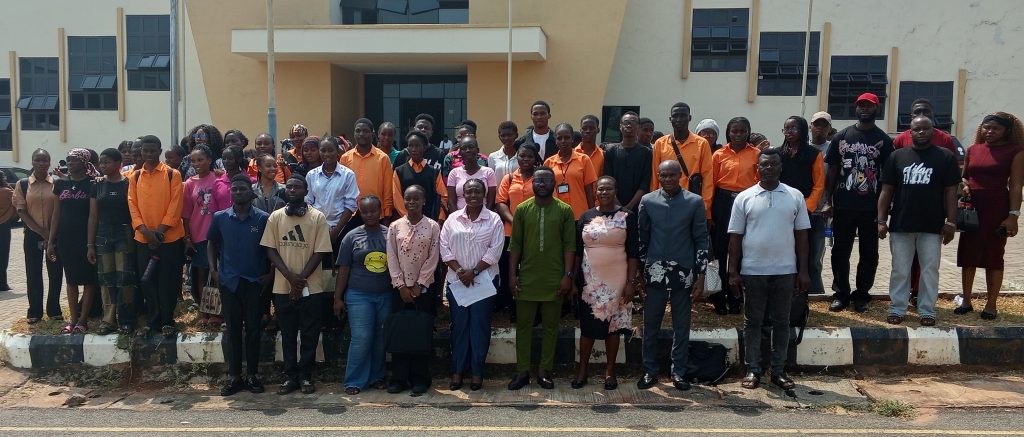
STAFF AND STUDENTS OF HISTORY, STRATEGIC AND INTERNATIONAL STUDIES, DOU, ASABA, NIGERIA